LEARNING ENGLISH FROM THE NEWS: Elevate Your Skills with a Graded Reader for Enhanced Fluency
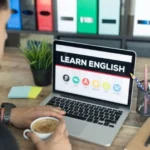


Enhance Your English Fluency with Graded Readers
Language tip: Choose stories that interest you to stay motivated.
Key Vocabulary for Improving Fluency
- Fluency: The ability to speak smoothly and easily. Example: "She speaks English with fluency."
- Comprehension: Understanding what you read or hear. Example: "Reading improves my comprehension skills."
- Vocabulary: The collection of words known by a person. Example: "Expanding your vocabulary is crucial."
- Engagement: Involvement or participation in activities. Example: "Active engagement leads to better learning."
- Context: The situation in which something is used. Example: "Understanding context helps in comprehension."
- Practice: Repeated exercise to improve a skill. Example: "Daily practice is essential for progress."
Common Expressions Used by Native Speakers
- Hit the books: To study hard. Example: "I need to hit the books this weekend."
- In the loop: Staying informed. Example: "Make sure you’re in the loop about the project."
- Brush up on: To refresh your knowledge. Example: "I need to brush up on my grammar."
- Break it down: To explain in simpler terms. Example: "Can you break it down for me?"
- Get the hang of: To understand how to do something. Example: "I’m starting to get the hang of it."
Understanding the Present Tense in English
- Simple Present: "I read every day."
- Present Continuous: "I am reading a book now."
- Present Perfect: "I have read three books this month."
Common Errors Learners Make with Fluency
- Wrong: "I go to the store yesterday." Correct: "I went to the store yesterday." Why: Incorrect verb tense used.
- Wrong: "She don’t like coffee." Correct: "She doesn’t like coffee." Why: Subject-verb agreement issue.
- Wrong: "I am interesting in reading." Correct: "I am interested in reading." Why: Incorrect adjective form used.
- Wrong: "He has 20 years old." Correct: "He is 20 years old." Why: Incorrect verb form for age.
Applying Your Skills in Real-Life Situations
Dialogue example: "How was your weekend?" "I went hiking, it was great!"
Effective Strategies for Practicing Fluency
- Set a daily reading goal, like 20 minutes.
- Choose graded readers that interest you.
- Join a reading group or club.
- Summarize what you read in your own words.
- Discuss the stories with others to reinforce understanding.
Your Path to Enhanced English Fluency
Original source: Watch on YouTube
Video creator: English Avenue
Original source: YouTube Channel
Frequently Asked Questions About Investing in Yourself to Improve Your English Fluency
What is investing in yourself and why does it matter for English learners?
Investing in yourself means dedicating time and resources to personal growth.
This approach is crucial for English learners aiming for fluency.
Language educators recommend it to enhance skills and confidence.
What are the key words learners need to know for investing in yourself?
Key words include commitment, resources, growth, and fluency.
Understanding these terms supports effective learning strategies.
What common expressions do native speakers use for investing in yourself?
Common expressions include “level up” and “self-improvement”.
These phrases highlight the importance of personal development.
What grammar rules are most important when learning about investing in yourself?
Focus on the use of gerunds and infinitives for intentions.
Using modal verbs expresses ability and necessity in context.
What are the most common errors learners make with investing in yourself?
Common errors include confusing commitment with obligation.
Many learners also underestimate the importance of consistent practice.
How can learners practice investing in themselves effectively every day?
Daily practice can include reading, writing, and speaking.
Setting specific goals enhances language acquisition and retention.
How does understanding investing in yourself improve spoken English?
Understanding this concept boosts confidence in conversations.
It encourages learners to express thoughts and ideas clearly.
In what real-life situations will learners use investing in themselves?
Learners apply it in job interviews, networking, and personal growth seminars.
These situations demand effective communication and self-presentation skills.
What is the best technique to remember investing in yourself long-term?
Using visual aids and mind maps helps reinforce concepts.
Regular review and application of strategies also aid retention.
What should learners study after mastering investing in themselves?
After mastering this topic, focus on advanced vocabulary and idiomatic expressions.
Exploring cultural nuances can further enhance language skills.
Posts relacionados