LEARNING ENGLISH WITH SPEECHES: KRITI SANON Discusses the Impact of Inclusion (English Subtitles)
Learning English can be a challenging journey for many learners.
Students often struggle with listening and understanding spoken English.
Speaking fluently is a common hurdle for non-native speakers.
This article aims to help you improve your English naturally.


Understanding the Power of Inclusion in Language Learning
Inclusion is vital for effective communication and understanding.
Learning about inclusion can enhance your language skills significantly.
This article will guide you through key concepts and vocabulary.
Essential Vocabulary for Inclusion
Knowing the right words about inclusion is incredibly important.
These terms will help you express ideas clearly and confidently.
Let’s explore some key vocabulary related to inclusion.
Empowerment: Helping individuals gain confidence and control over their lives.
Diversity: The presence of different types of people and perspectives.
Equity: Fair treatment, access, and opportunities for all.
Advocacy: Supporting and promoting a cause or policy.
Common Expressions for Discussing Inclusion
Expressions can make your conversations about inclusion more engaging.
Using these phrases will make your speech sound more natural.
"Join the conversation": Encourage others to participate in discussions.
"Open door policy": An approach that welcomes ideas and feedback.
"Level the playing field": Make opportunities fair for everyone.
"Voices matter": Emphasizing the importance of everyone’s opinion.
Grammar Tips for Clear Communication
Using correct grammar helps convey your ideas effectively.
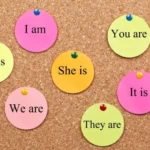
Understanding subject-verb agreement is essential for clarity.
Present simple is great for general statements: "Inclusion promotes understanding."
Past simple works for describing actions: "She supported diverse voices."
Common Mistakes Learners Make with Inclusion Vocabulary
Many language learners make typical mistakes in their writing.
Identifying these mistakes can help improve your skills.
Wrong: "Inclusion promotes equalities among everyone."
Correct: "Inclusion promotes equality among everyone."
Wrong: "She is advocate for diversity."
Correct: "She is an advocate for diversity."
Practical Tips for Learning About Inclusion
Daily practice makes a significant difference in language learning.
Engage with content related to inclusion regularly to improve.
Read articles and books focusing on diversity and inclusion.
Discuss inclusion topics with friends or in study groups.
Listen to podcasts that explore different perspectives on inclusion.
Stay Motivated and Keep Learning
Remember that every bit of effort counts towards improvement.
Celebrate small successes to stay motivated on your journey.
Keep practicing your skills, and don’t be afraid to make mistakes.
Learning English is a continuous process that brings great rewards.
Content credit: This article was inspired by a video
published on the YouTube channel English Speeches.
Watch the original video on the official channel:
Click here
Frequently Asked Questions
1. What is the main topic discussed in Kriti Sanon's speech?
The speech focuses on the importance of inclusivity, especially in the context of gender issues.
It emphasizes the need for everyone to be included in discussions and decision-making processes.
2. Can you explain some key vocabulary from the speech?
Sure! Words like "inclusion," "gender," and "empowerment" are crucial.
"Inclusion" means making sure everyone is part of something, while "gender" refers to the roles and identities associated with being male or female.
"Empowerment" involves giving people the tools and confidence to take control of their lives.
3. What are some common phrases used to talk about inclusion?
Some useful phrases include "making space for everyone" and "working together for change."
You can use these when discussing how to create a more inclusive environment.
4. What grammar points should I focus on when discussing these topics?
Pay attention to the use of present tense when describing ongoing issues.
Also, practice using modal verbs like "should" and "must" to express necessity, such as "We must include everyone."
5. What are typical mistakes learners make regarding this topic?
A common mistake is not using inclusive language.
For example, using "he" or "she" exclusively can exclude others.
It's better to use terms like "they" when the gender is not specified.
6. How can I practice discussing inclusion effectively?
Join group discussions or forums focused on gender issues.
You can also role-play scenarios where you advocate for inclusivity.
This will help you become more comfortable with the vocabulary and expressions.
7. What tips can help me improve my speaking and listening skills?
Try to listen to talks or podcasts about inclusion.
Repeat phrases you hear to improve your pronunciation and fluency.
Engage in conversations with peers to practice what you've learned.
8. In what real-life situations is this topic relevant?
This topic is relevant in workplaces, schools, and community events.
Understanding inclusion helps create a positive environment where everyone feels valued.
9. Are there any resources I can use to learn more about this topic?
Look for articles, books, and online courses about gender equality and inclusion.
Many organizations also provide workshops and seminars to help raise awareness.
10. How can I remember what I've learned about inclusion?
Take notes while you learn and review them regularly.
Discuss what you've learned with friends or family to reinforce your understanding.
Using the vocabulary in conversations will also help solidify your knowledge.
Posts relacionados